-
 Checkerboard knitting chart
-
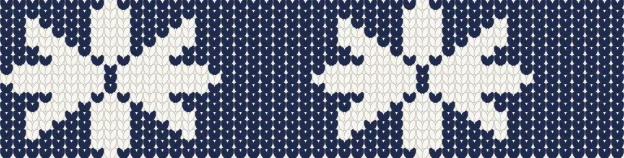 Eight-point star knitting chart
-
 Heart band knitting chart
-
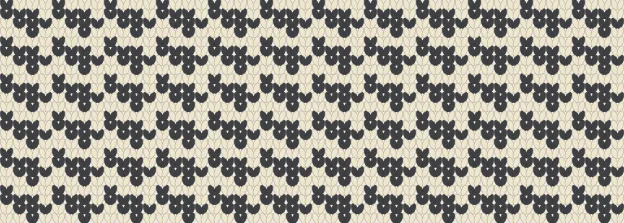 Houndstooth knitting chart
-
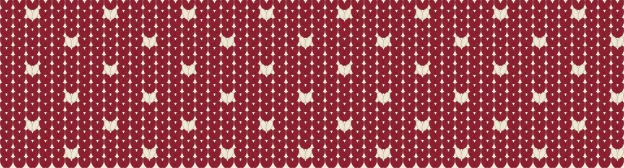 Lice pattern knitting chart
-
 Ocean wave band knitting chart
-
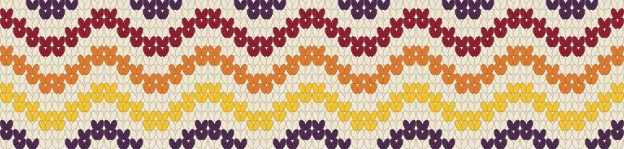 Ombre zigzag knitting chart
-
 OXO band knitting chart
-
 Peerie band knitting chart
-
 Pine tree band knitting chart
-
 Reindeer band knitting chart
-
 Sheep band knitting chart
-
 Snowflake yoke knitting chart
-
 Star band knitting chart
-
 Toadstool band knitting chart
-
 Tulip band knitting chart
Knitted stitches are wider than they are tall, so these charts use rectangular cells that match a typical 20 × 28 gauge. Most designs are repeating bands — knit as many repeats as your stitch count needs. Each page states the longest float in the design, so you know in advance where to catch floats on the back.
The PDF includes the chart and every row written out, right-side rows right to left and wrong-side rows left to right.
The narrow peerie band is the gentlest introduction to two-colour knitting: short repeats, only two colours per round and floats that never need catching. The larger yoke-style bands use longer stretches of background and a few rounds with three colours; work those with the third colour added afterwards in duplicate stitch if you prefer to strand only two at a time.
Bands fit any project whose stitch count is a multiple of the repeat, so check the repeat on the pattern page against your hat, cuff or yoke before you cast on, and add or remove a stitch or two in the plain rounds below the band if needed.
Frequently asked questions
What gauge are the charts drawn for?
20 stitches and 28 rows per 10 cm. Change the gauge in the editor and the chart redraws in the right proportions.
How long are the floats?
It varies by design and each page gives the longest float. Where a colour runs further than about five stitches, catch the float on the back every three or four stitches.
Can I knit these in the round?
Yes. For bands, read every row from right to left when working in the round.
Which yarn should I use?
Any yarn that matches your gauge. The colours are generic shades — pick the closest you can buy.
Last updated · About us