How brick mosaics work
A brick mosaic is a grid of 1 × 1 pieces pressed onto a baseplate, one piece per stud. Each square of the chart is one piece. The standard large baseplate is 32 × 32 studs, about 25.6 cm across, and larger pictures use several baseplates side by side.
| Plates | Studs | Finished size |
|---|---|---|
| 1 | 32 × 32 | 25.6 × 25.6 cm (10 in) |
| 2 × 1 | 64 × 32 | 51 × 25.6 cm |
| 2 × 2 | 64 × 64 | 51 × 51 cm (20 in) |
| 3 × 3 | 96 × 96 | 77 × 77 cm (30 in) |
Every stud needs a piece, so a single 32 × 32 plate takes 1,024 pieces and a 2 × 2 picture takes 4,096.
Choosing a picture
Mosaics are low resolution: a portrait across one plate is only 32 pieces wide. Simple, bold images work best:
- A face or pet portrait, cropped tight.
- Logos you own, symbols, letters and initials.
- Landscapes with simple bands, such as sunsets, seas and mountains.
- Pixel art and icons, which already fit a grid.
Test a few sizes in the brick mosaic pattern maker: faces often only become recognisable at 48 or 64 studs across. Here is how resolution grows with size, using our test photo:
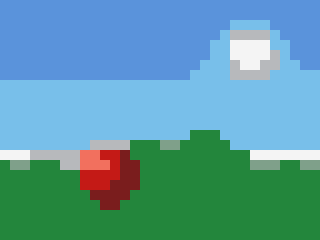 32 studs wide 1 plate across · 768 pieces · 9 colours
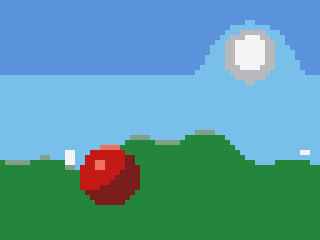 64 studs wide 2 plates across · 3,072 pieces · 9 colours
 96 studs wide 3 plates across · 6,912 pieces · 10 colours
Colours and parts lists
The biggest practical limit is which colours you can actually buy in 1 × 1 pieces. Choose a modest palette, then:
- Generate the chart and look at the parts list: it counts the pieces needed in each colour.
- Merge rarely used colours into a neighbour if that colour is hard to find.
- Add a few spares of each colour, about 2 to 5%, for pieces that ping across the room.
- Order or sort your pieces into labelled trays before building.
A real parts list
Here is the parts list for one of the one-plate designs in our library, the same way the pattern maker counts it:
| Colour | Pieces | Amount |
|---|---|---|
| B43 Sand green | 264 | 264 pieces |
| B30 Light aqua | 264 | 264 pieces |
| B13 Bright orange | 208 | 208 pieces |
| B20 Dark brown | 94 | 94 pieces |
| B01 White | 88 | 88 pieces |
| B24 Light pink | 50 | 50 pieces |
| B18 Rust brown | 26 | 26 pieces |
| B39 Bright green | 26 | 26 pieces |
| B25 Bright pink | 4 | 4 pieces |
| Total | 1,024 | 1,024 pieces |
The background colour usually dominates the count. If it is a colour you cannot buy in bulk, it is often easier to change the background than to hunt for hundreds of one shade.
Building
- Sort first. Pour each colour into its own tray or bowl.
- Build row by row, checking each row against the chart; if you follow the written rows, they count from the bottom row up. The heavier chart lines every 16 studs help you keep your place, and on multi-plate designs every second heavy line marks a plate edge.
- Press each piece firmly so it sits flat; a brayer or a flat block pressed across a finished area seats everything evenly.
- Check as you go. It is much easier to fix a misplaced piece in the current row than once it is surrounded.
For multi-plate builds, finish each plate separately, then join them with connector plates on the back or mount them on a board.
Displaying it
Frame the plates in a deep frame, glue them to a painted board, or hang them with picture hooks on the back. Tile mosaics wipe clean with a dry microfibre cloth. The brick mosaic pattern library has one-plate designs to start with.